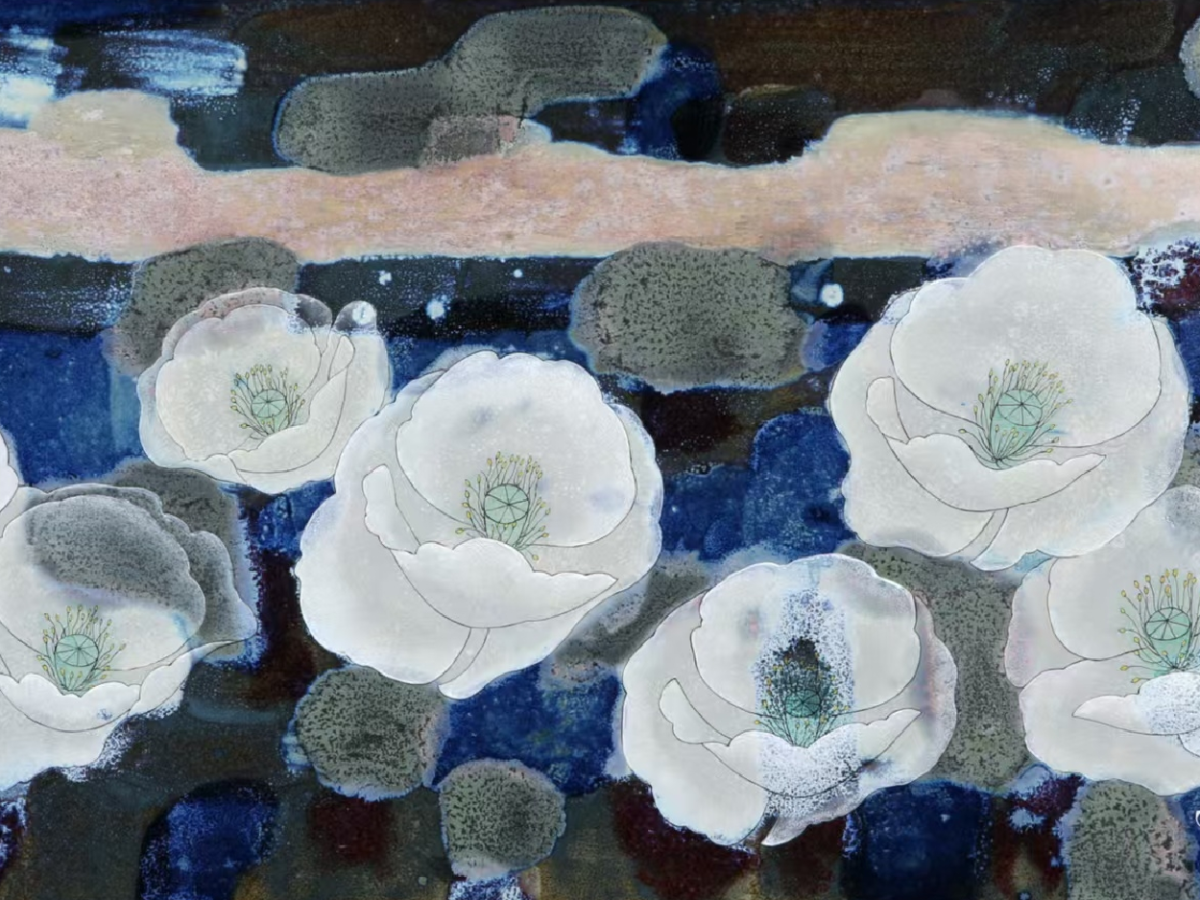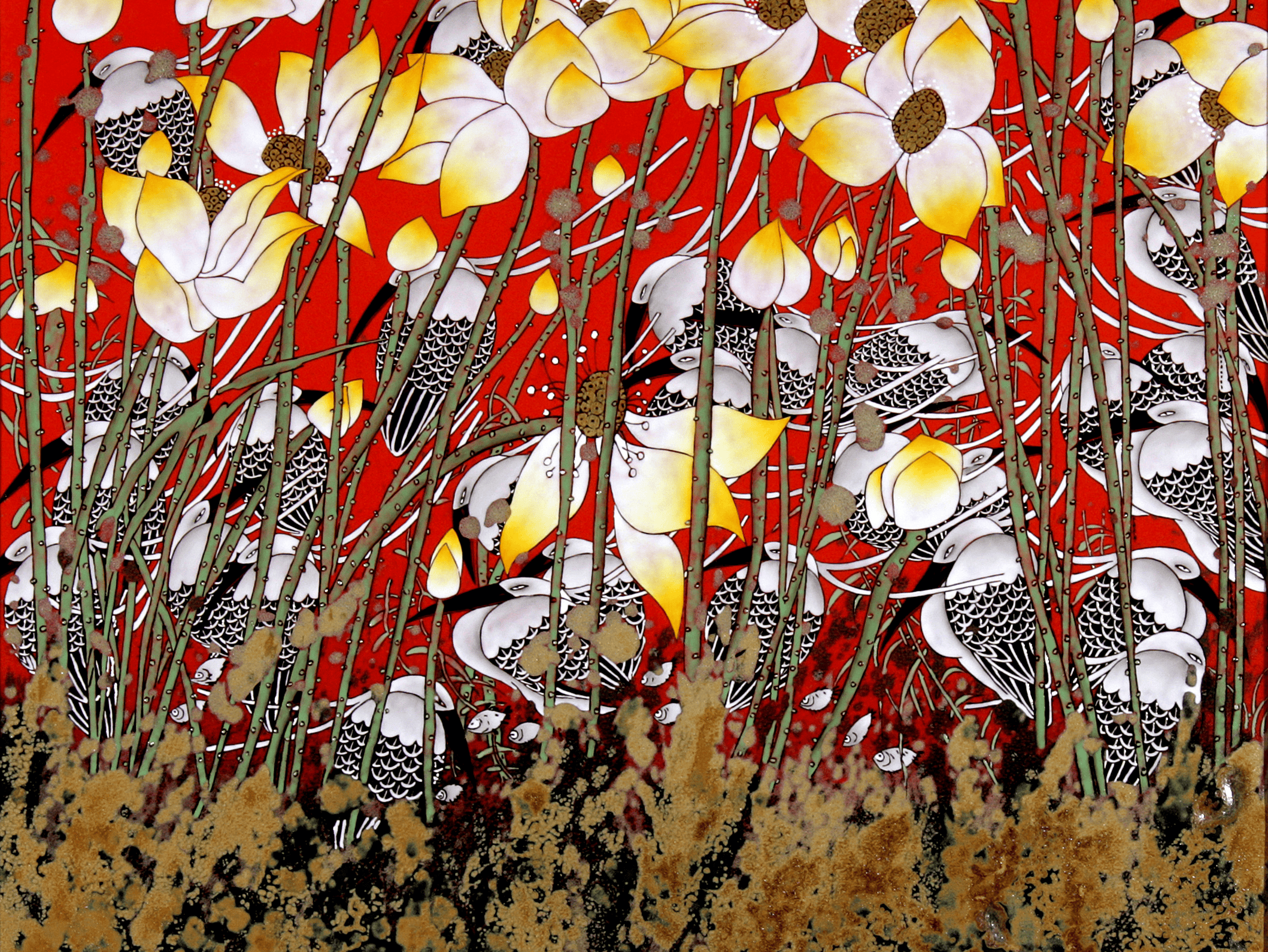
Earthenware work reflects a remarkable discipline class with a expansive background, covering back legions of years. From ancient receptacles to up-to-date presentations, the material offers unequalled possibilities for creative presentation. Artists employ multiple techniques – including molding, wheel manipulating, and enhanced firing processes – to mold humble mud into captivating three-dimensional sculptures. The toughness of fired brick also contributes to its status as a truly lasting part of human heritage.
Examining Earthenware Shield Arrangements and Practices
The area of ceramic badge design offers a sizable array of resourceful possibilities. Sculptors often explore a blend of traditional and modern techniques to create visually striking pieces. These can range from simple, hand-carved reliefs to complex, multi-layered compositions. Common methods include the slip cast process, hand shaping, enameling – which can involve different methods like underglaze painting, post-firing embellishment, and engraved motif where designs are exposed by taking away a layer of coating. Enhanced scrutiny into exterior stylings such as thermal treatment and shimmer glaze can bring about truly one-of-a-kind and individualized pottery boards.
- Shape Forming - Making pieces using a pattern
- Manual Fabrication - Carefully molding the earth
- Surface Treatment - Painting the top with a vitreous finish
- Scraped detail - Showing designs by taking away layers
Entrancing Experiences: Porcelain Art Installations
The progressing landscape of craftsmanship presents exciting fresh avenues for witnesses, and ceramic art installations are at the cutting edge of this movement. These aren't just static figurines; they are built to envelop the guest in a sensory ambiance. Imagine stepping into a forest of towering, finished ceramic trees, or navigating a web of delicate ceramic vessels. Many craftsmen are now incorporating audio, brightness, and even aroma to enhance the vibe of their work. Picture the power of a room filled with hundreds of expertly ceramic works, each telling a anecdote. Commonly, such installations scrutinize themes of natural world, remembrance, and people.
- These particular installations blur the divisions between statue and structure.
- Interacting with a ceramic art installation can be a deeply affecting journey.
- Sculptors are extending the thresholds of what is possible with clay.
That Radiance of the Earthenware Holder: Function and Appearance
The terracotta pot represents a notable conjunction of functionality and decorative appeal. Historically, these vessels served a minimalist mission in holding materials, but their advancement has transformed them into highly valued works of craftsmanship. Each creation showcases the ability of the creator, demonstrating how shape can be as essential as operation. The conscientious shaping, the distinctive glazes, and the entire presence of a artfully-produced vessel can enhance a space, offering both grace and a intimate reminder of the human hand.
Current Earthenware Creation : Testing Perimeters
Modern clay work represents a fascinating transition from time-honored practices. Builders are actively innovating with different processes, dissolving the edges between form and additional craft spheres. From large installations to intricate miniature pieces, such works investigate themes of culture while concurrently reshaping the definition of what ceramics can achieve. The consequence is a exciting world of imaginative representation.
Earthenware Tablet: Safeguarding Heritage in Clay
Ceramic plaques offer a singular method for noting significant events and beings. Opposite of traditional metal or stone markers, these sturdy pieces of art are formed from processed clay, creating a real link to the preceding days. Generally, they showcase intricate sculptures or meticulously crafted imagery, telling stories that might otherwise be passed over. One technique, stemming from ancient peoples, provides Magic Cube Ceramics a visually appealing and lasting way to respect our collective heritage.
- Those can be situated in public spaces.
- A large number of are now classified historical treasures.
Ceramic Art Presentations: Reimagining Environments
Ceramic art installations are materializing a influential medium for creators to reconstruct public and private areas. These immersive pieces frequently involve considerable clay figures that captivate viewers, reshaping their interpretation of the built environment. By integrating diverse processes like hand-building and advanced firing techniques, ceramic artists assemble truly exceptional experiences, blurring the edges between art and building. The outcome is often a touching shift that raises the artistic quality of the environment and promotes discussion.
Origin Lathe to Beauty: The Trade of the Earthenware Holder
The journey of a clay jar from a simple lump of clay to a polished work of production is a testament to human inventiveness. Customarily, the process commences with the potter’s spin wheel, where the skilled artisan crafts the rotary mud into a cylindrical profile. This initial step demands clearness and a keen eye, followed by a delicate curing period. Once soft-fired, the pot is ready for ornamentation, which may comprise painting intricate arrangements, inscribing detailed scenes, or incorporating a collection of surfaces. The ultimate curing process then renders the component into a durable and stunning container, a tangible representation of the designer's vision.
Working with Stoneware: A Course to Brick Art
Entering the domain of stoneware composition begins with recognizing the basics of modeling with pottery. That means includes systematically adding and removing mass to build three-dimensional items. Regardless of you're a amateur or a expert sculptor, engaging with alternative forms of porcelain – namely brick – will promote you locate your idiosyncratic expression. After all, brick forming is a valuable undertaking that merges skilled know-how with inventive demonstration.