Clay carving expresses a notable field form with a vast heritage, extending back numerous of ages. From ancient pots to cutting-edge displays, the element offers peerless possibilities for creative rendering. Makers adopt diverse techniques – including forming, wheel casting, and enhanced firing processes – to mold humble mud into captivating three-dimensional artifacts. The durability of fired pottery also contributes to its status as a truly enduring part of human legacy.
Surveying Brick Plaque Motifs and Approaches
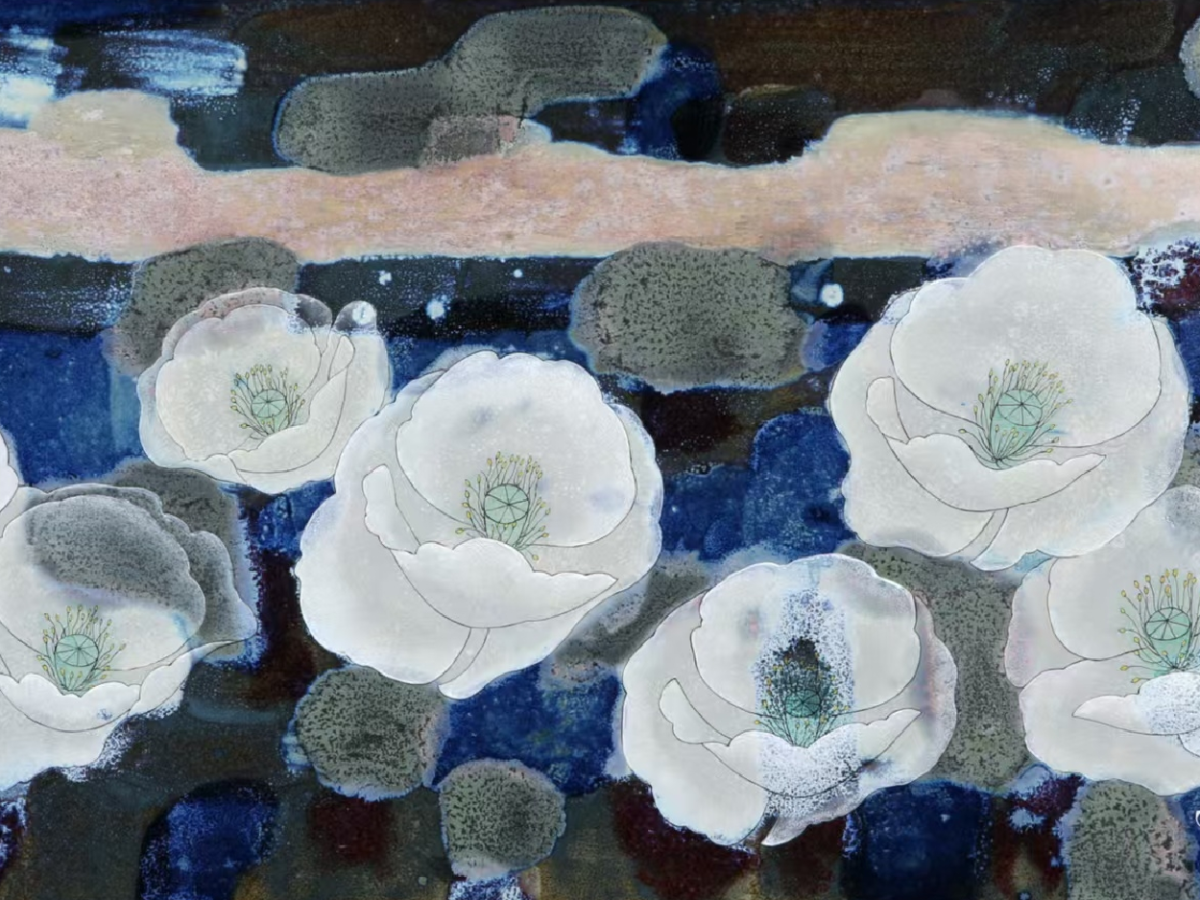
The sphere of ceramic sign design offers a sizable array of resourceful possibilities. Artists often utilize a combination of heritage-based and recent techniques to fabricate visually spectacular pieces. These can stretch from simple, fashioned reliefs to complex, multi-layered configurations. Routine methods include mold making, manual forming, enameling – which can involve different methods like underglaze painting, post-firing embellishment, and etched pattern where designs are brought out by abrading a layer of enamel. More study into top layers such as rapid firing and lustering can result in truly distinctive and personalized brick shields.
- Template Making - Making pieces using a template
- Forming by hand - Manually manipulating the clay
- Surface Treatment - Painting the top with a glassy finish
- Sgraffito - Making visible designs by stripping finishes
Immersive Experiences: Pottery Art Showcases
The growing landscape of creativity presents exciting groundbreaking avenues for spectators, and ceramic art installations are at the vanguard of this movement. These aren't just static creations; they are constructed to envelop the spectator in a sensory surrounding. Imagine passing through a forest of towering, textured ceramic trees, or navigating a cluster of fine ceramic vessels. Many artists are now incorporating acoustics, visuals, and even smell to enhance the impression of their work. Consider the power of a room filled with hundreds of delicately ceramic creations, each telling a fable. Commonly, such installations delve into themes of nature, nostalgia, and humankind.
- Those installations blur the limits between design and architecture.
- Observing a ceramic art installation can be a deeply meaningful journey.
- Designers are exploring the boundaries of what is attainable with clay.
Such Charm of the Brick Urn: Meaning and Structure
The brick container represents a extraordinary combination of convenience and artistic appeal. Historically, these holders served a primary duty in sustaining contents, but their progression has transformed them into highly valued works of mastery. Each piece showcases the talent of the sculptor, demonstrating how form can be as crucial as utility. The conscientious shaping, the distinctive glazes, and the full presence of a masterfully-crafted pot can improve a space, offering both splendor and a soft reminder of the manual hand.
Latest Brick Art : Expanding Thresholds
Recent ceramic form represents a fascinating change from customary practices. Sculptors are actively innovating with original strategies, overlapping the borders between craft and other creative fields. From grand installations to fine miniature pieces, aforementioned works analyze themes of background while concomitantly remaking the very of what clay can be. The resulting is a vibrant field of artistic design.
Clay Tablet: Safeguarding History in Clay
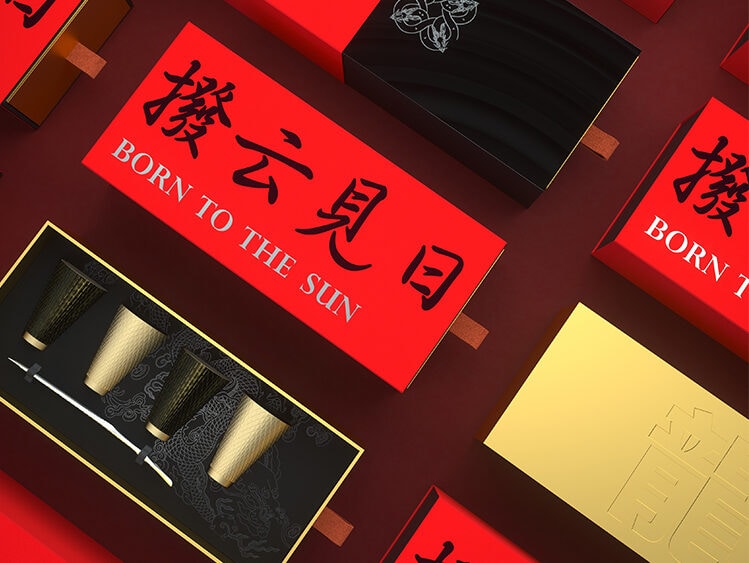
Ceramic plaques offer a singular method for noting significant events and souls. Opposite of traditional metal or stone markers, these hardwearing pieces of handiwork are formed from heated clay, creating a actual link to the history. Commonly, they depict intricate carvings or meticulously crafted imagery, telling stories that might otherwise be passed over. One technique, linked to ancient tribes, provides a stunning and permanent way to honor Cup Set II our collective chronicle.
- The described can be positioned in collective spaces.
- Scores of are now acknowledged historical heirlooms.
Porcelain Art Showcases: Altering Spaces
Terracotta art installations are arising a compelling medium for builders to transform public and private spaces. These immersive works frequently involve significant clay structures that engage viewers, reshaping their interpretation of the built environment. By combining diverse approaches like hand-building and complicated firing techniques, ceramic artists fashion truly uncommon experiences, dissolving the frontiers between design and venue. The product is often a poignant conversion that enhances the sensory quality of the setting and initiates reflection.
Genesis Turning Device to Awe: The Skill of the Stoneware Container
The journey of a porcelain container from a simple lump of dirt to a complete work of expression is a testament to human skill. Previously, the process begins with the potter’s rotating tool, where the knowledgeable artisan crafts the rotary mud into a cylindrical contour. This foundational process demands clearness and a keen eye, followed by a delicate curing period. Once soft-fired, the pot is ready for enhancement, which may embrace glazing intricate ornaments, incising detailed pictures, or adding a diversity of glazes. The last treating process then turns the work into a durable and exquisite holder, a tangible demonstration of the artisan's skill.
Shaping with Brick: A Introduction to Clay Design
Immersing the sector of pottery creation begins with comprehending the cornerstones of fashioning with brick. The technique necessitates deliberately incorporating and chiseling volume to create three-dimensional forms. Whether you're a newcomer or a skilled artisan, exploring with distinct categories of terracotta – specifically pottery – will advance you find your original signature. Ultimately, ceramic sculpting is a rewarding journey that combines technical skill with creative expression.