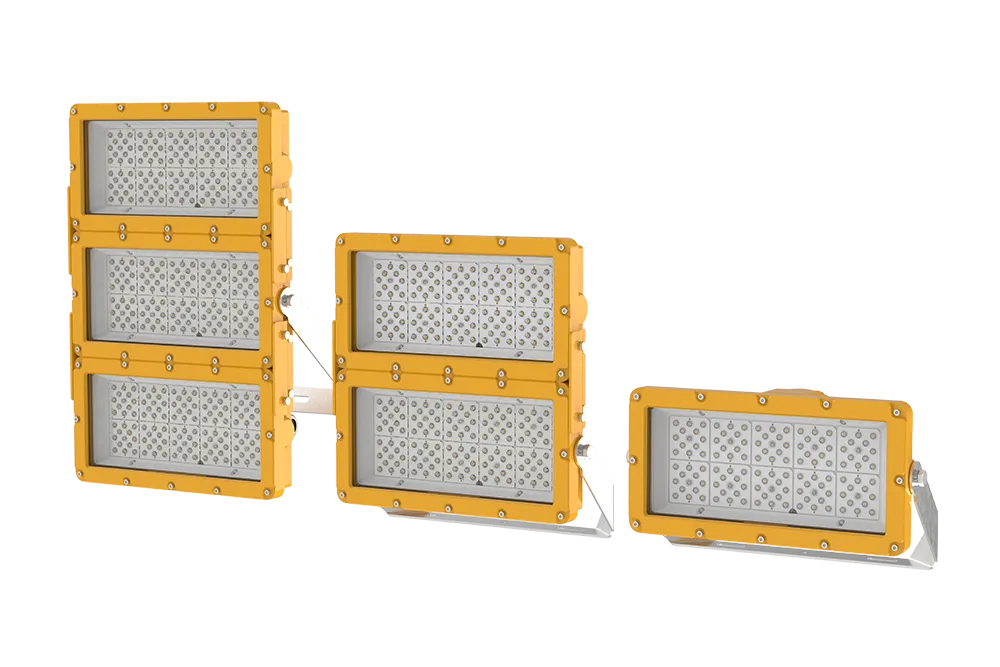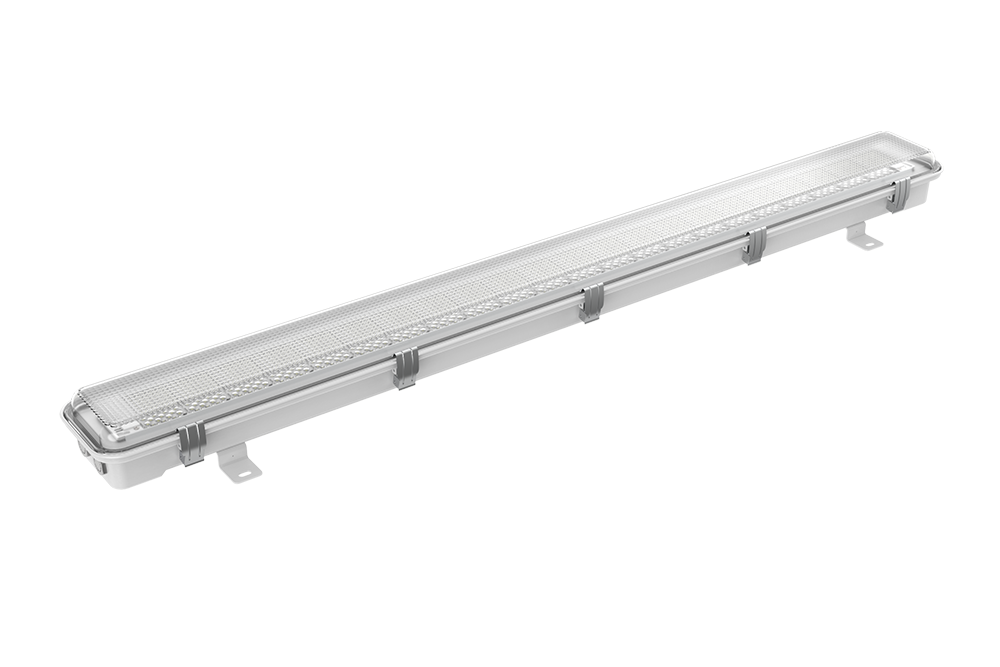
Originating this article studies multiple solutions pertaining to fire-resistant devices among manufacturing environments.
Conducting steadfastly through hazardous spots specifically refinery facilities commands engineered apparatus meant to ward off likely disasters. Spark-resistant lighting devices are vital constituents in similar settings, developed to resist energy releases, inflammable vapors, and flammable environments. Multiple components are not originally protected; in place of that they are fabricated to sequester any inner energy release or emission and avoid it from causing a expanded blast in the local environment. This presentation gives vital intelligence about explosion-proof devices, their uses, and hazard prevention elements for deploying them effectively.
Understanding Explosion Proof Lighting Standards
Complying with prescribed hazard-resistant lighting criteria can be tough, especially in markets engaged in hazardous atmospheres. These stipulations – often referencing authorized bodies such as the National Electrical Commission (NEC), ATEX (Europe), and IEC – enforce precise design and placement steps to avoid the vulnerability of sparks from electronic units. Understanding stipulated standards is important for ensuring employee safety and conformity with mandatory orders.
Crystal Intrinsically Safe Luminaires: Productivity & Safeguarding
Semiconductor flammability-rated lighting modules represent a significant upgrade over legacy halogen sources in locations where volatile fumes are existing. These sturdy tools both supply remarkable fuel economy, yielding cut-down financial outlay, but significantly secure a improved degree of security by eliminating the risk of fire outbreaks stemming from voltage flare-ups}.
Explosion Resistant Combustible Area Perilous Proof Explosion Blaze Burst Resistant} Sources : A Comprehensive Overview
Ex Unsafe Environment Unsafe Proof} Luminaires are intentionally crafted lighting methods built to function safely within conceivably inflammable settings. These durable fixtures restrain sparks, caloric power and ignition charges from starting a major explosion. They habitually incorporate cutting-edge designs, involving namely encased housings and constitutionally safe current-based elements to confirm safety norms in sectors like mineral & combustible gas processing, manufacturing plants, earthworks operations, and medication production.
Appointing the Proper Hazloc Units for Perilous Regions
Selecting the correct blast-proof units for a defined classified space entails careful review. Factors such as the rating (e.g., Segment I, II, or III and sections 0) should be rigorously assessed to validate obedience with pertinent safeguarding standards. In addition to the area's natural exposures, think about surrounding features, such as thermal state and condensation, to find a hardy and dependable solution. Regularly engage a expert expert to help your determination.
Regions Where Are Explosion Proof Lights?
Explosion-proof otherwise called intrinsically safe|hazardous location|Class-rated} light devices are categorically needed in any areas where volatile fumes or debris could may create a flammable atmosphere. This typically includes manufacturing manufacturing plants, lacquer application areas, cereal handling facilities, and water treatment treatment works. Regulations, such as those from NEC and IEC, specify their use in these sites to reduce the risk of flames and protect security functionality.
Boons of Photon Emitting in Detonation Safe Units
Utilizing Semiconductor technology for explosion proof luminaires offers a meaningful selection of positives. First, semiconductor devices boast a remarkably longer activity span compared to traditional neon units, reducing support expenditures and stoppages. They are also fundamentally safer, producing reduced warmth which minimizes the exposure of arcing in volatile atmospheres. Besides, luminescent sources are considerably efficient in energy use, leading to lower current draw payments and a minimized ecological footprint. Finally, the strong make of Luminescent lighting systems withstanding the rigorous settings typical of explosion proof areas.
- Augmented Usability Span
- Diminished Repair Costs
- Heightened Safeguarding
- Reduced Fuel Expenditure
- Improved Stability
Sustaining and Inspecting Explosion Proof Lighting Systems
Consistent servicing and careful evaluation of intrinsically safe lighting schemes are vitally mandatory for securing risk management and minimizing potential hazards. This entails a periodic review of all modules, such as luminaires, ducts, cabling, and affiliated connection boxes. Explicitly, check for deterioration, physical damage, and correct bond connection. Additionally, certify that every indications are identifiable and that the light required by applicable guidelines.
- Implement visual checks.
- Analyze wire interfaces.
- Validate detonation resistance.
Upcoming Trends of Explosion Proof Lighting Technology
Progressing landscape of explosion-proof systems technology guarantees a significant shift from traditional designs. Future approaches will steadily incorporate networked capabilities, enabling dispersed monitoring, diagnostics, and dynamic control. We expect a rising adoption of electroluminescent technology, not only for its basic energy efficiency, but also its competence to facilitate mounted sensors for detecting dangerous conditions. Additionally, materials analysis is propelling innovations in strong container materials, allowing for minimized and advanced designs, while continuing the vital levels of precaution.
- Elevated battery life for conveyable applications.
- Integration with predictive maintenance platforms.
- Development of self-cleaning lens technology.