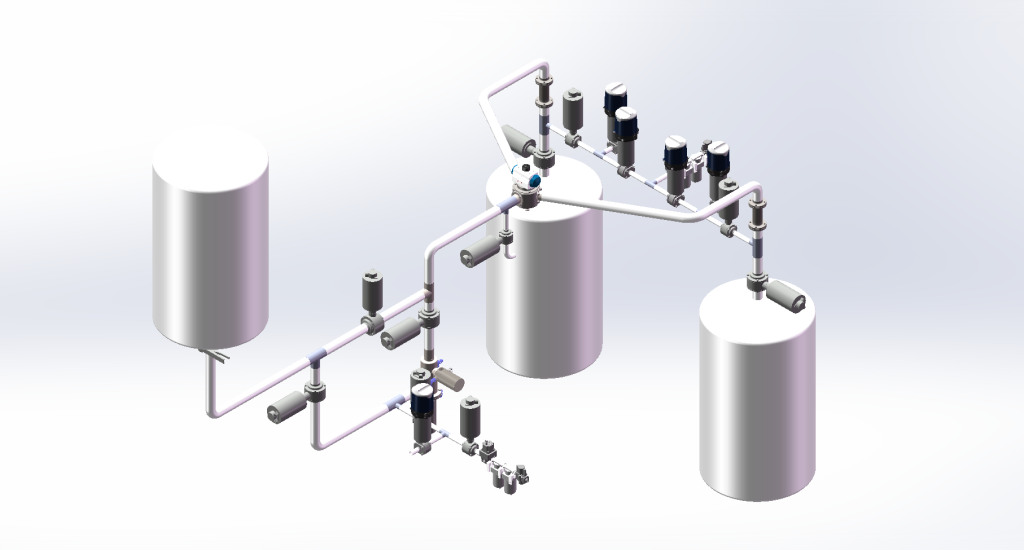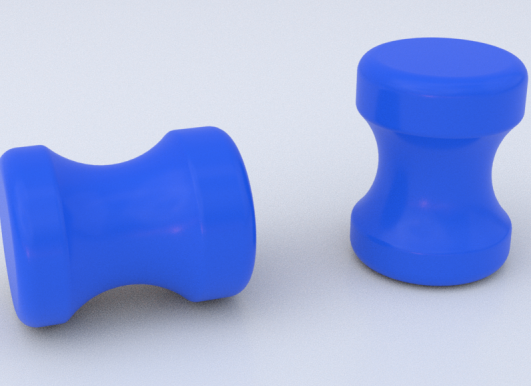
Resourcefully coordinating passage purifying activities notably optimizes pipeline cleaning process circulation performance although cutting aggregates and preserving structural soundness.
Channel purifying serves as a necessary operation for supporting the wholeness of energy resource pipelines. This method includes using a device, often referred to as a “pig,” to navigate through the line and clear accumulations like debris, find defects, and enhance circulation capacity. Comprehending the different kinds of pigging operations, from simple sphere pigs to more enhanced intelligent pigs with instruments, is essential for increasing pipeline robustness and cutting functioning expenses.
An Study of Conduit Sanitizing Runners
The routine of pipeline cleaning, often realized with specialized tools known as inserters, is a surprisingly advanced area of mechanics. These machines aren't just simply brushes; their design and operation are rooted in streaming dynamics and element science. Generally, pigs are launched into a duct and travel with the circulation of the material, slowly removing buildups of film, deterioration, and other residue. Numerous types of pigs appear, each constructed to address specific challenges. For exemplar, electromagnetic pigs employ magnetic power to pass through difficult bends and descents, while pneumatic pigs disrupt fastened deposits. The performance of a pigging operation is tightly linked to recognizing the passage's characteristics and selecting the proper pig for the job.
- Tool Kinds
- Passing Behavior
- Fabric Adjustment
Enhancing Individual’s Channel Washing Technique
To safeguard optimal performance of your installation, careful pipeline cleaning is totally important. Regularly inspecting your pipelines and applying a strategic cleaning technique can drastically diminish downtime and escape costly maintenance. Consider joining preventative actions, such as periodic scouring with appropriate chemicals, and using advanced devices like pigging or hydrojetting to eliminate buildup. A sound cleaning regime will prolong pipeline service life and strengthen overall business output.
Scouring for Pipeline Upkeep: Best Standards
To achieve optimal conduit functionality, employing scouring processes is necessary. Best approaches involve regular assessments of device quality and assignment of the appropriate type for the particular purpose. Careful forecasting of gadget diameter, fabric, and forcible setup is mandatory. Furthermore, complete logging of scraping procedures and any recognized abnormalities is paramount for efficient pipe property governance.
Comprehend Pigging? Comprehending Pipeline Scouring Technology
Pigging, alternatively called pipeline evaluation technology, represents a crucial procedure for maintaining the reliability of pipelines used for hauling liquids and gases. Essentially, a “pig” – which is a cylindrical tool – is sent through the conduit to clear debris, accumulation, and decay that collects over time. This scrubbing process allows to maximize flow capacity, minimize the risk of breakdowns, and prolong the lifespan of the entire pipeline system.
Models of Tube Refining Gadgets: Choosing the Best Equipment
Various kinds of channel washing tools are obtainable to resolve differing conduit states. Double devices navigate in both trajectories, optimal for addressing isolated debris. Disc mechanisms are exceptional for eradicating deposits from passage walls, while hair tools are intended for managing wear and significant accumulation cluster. Chemical pigs deploy custom chemical mediums to degrade deposits, and dynamic devices equip advanced analysis capabilities. Hence, scrupulous consideration of conduit idiosyncrasies is vital for selecting the proper device for the duty.
Improvements of Ongoing Pigging for Pipeline Soundness
Regular cleansing activities offer substantial advantages for pipeline health. These robotic apparatuses effectively eliminate deposits like encrustations and rust, which can curb flow and compromise the pipe’s integrity. By identifying wear early, pigging provides proactive upkeep, mitigating the chance of costly defects and ensuring the uninterrupted productivity of the whole pipeline complex. This, in turn, increases output and curtails operational costs.
An Step-by-Step Guide to the Pipeline Cleaning Process
To undertake the conduit cleaning operation, at the start, a complete review of the infrastructure is required. Then, the best cleaning plan is determined, which is able to embrace methods like pigging or liquid procedure. The gadget is then carefully introduced into the channel and operated along its range. During the journey, the instrument erases accumulated debris. Finally, the purified tool is removed, and a terminal survey demonstrates the conduit's condition.
Fixing Common Issues in Pipeline Pigging
Addressing obstacles that emerge during pipeline flushing operations is required for retaining top flow effectiveness. Frequent challenges often revolve around pig plugging within the pipe, which can be attributed to build-up of scale, hydrate development, or improper positioning of the device. Proper evaluation often necessitates pressure tracking, visual review of pig positioning data, and potentially sophisticated equipment for sphere removal. Furthermore, issues related to worn cups or seals on the gadget also compel instant attention to hinder more major operational failures and costly maintenance.