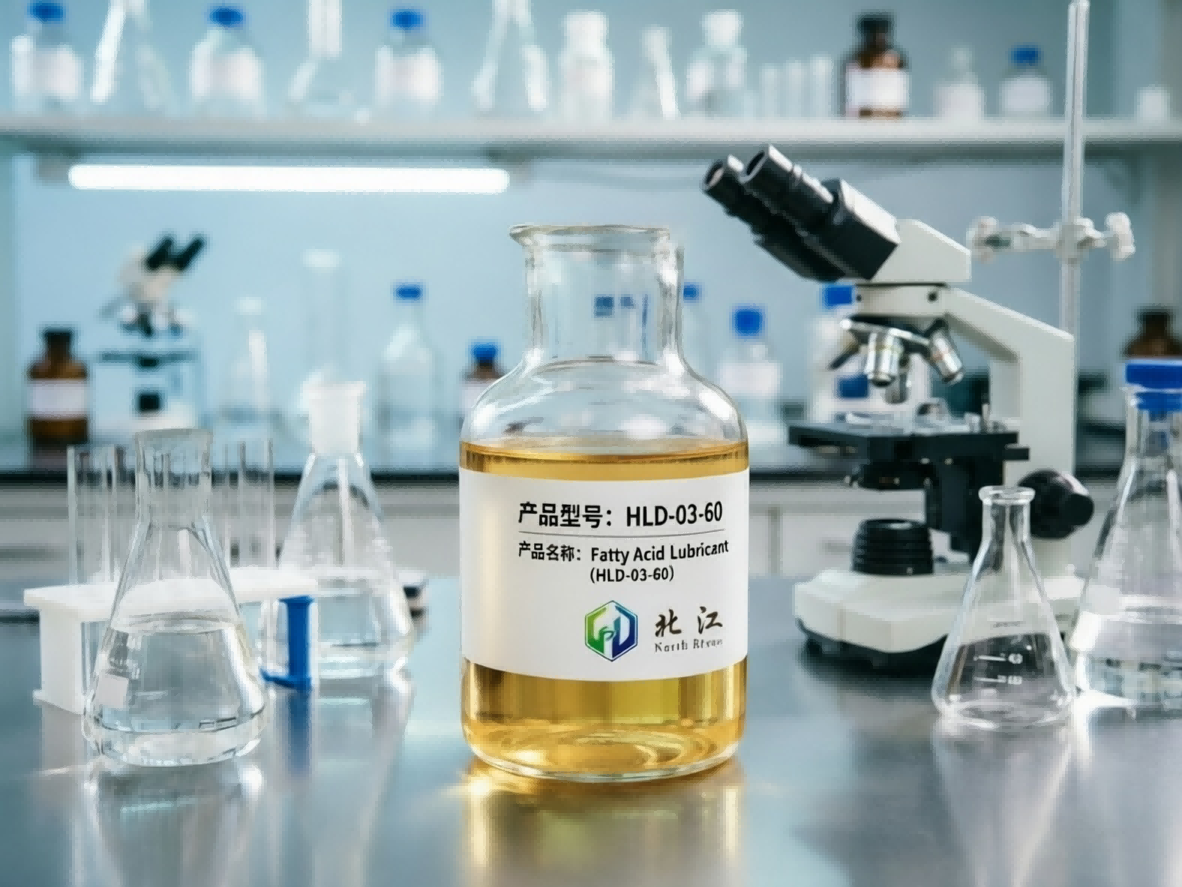
Originating which review relating to Epoxidized Crop Fat (ESO)
{Building considerations on traditional compounds demonstrate stimulated that search towards functional methods. Epoxidized soybean derivative (ESO) arises as a encouraging option. Recovered from a regenerative feedstock, ESO presents a major abatement in use on conventional fuels and minors to a elevated closed-loop framework. Additionally, ESO offers good stretchability and blendability to diverse thermoplastic substances, allowing for it a apt possibility for a broad group of implementations.
Low-Odor Medical-Grade Category ESBO: Complying-With Demanding Provisions
The development of low-odor medical grade ESBOs represents a significant advance in patient care and comfort. Traditional ESBOs often manifest noticeable odors, which can be disturbing for both patients and medical personnel. Our new formulation utilizes leading technology to curb odor generation, adhering to rigorous industry standards. These ESBOs are produced from elite materials and undergo rigorous testing to affirm biocompatibility and prime performance. Especially, this item addresses the growing need for low-impact procedures with a positive patient experience.
- Grants exceptional odor control.
- Observes relevant healthcare regulations.
- Constructed for optimal patient convenience.
High Resistivity ESBO: Enhancing Electrical Properties in Plastics
Single novel procedure, Electrostatic Barrier Structuring (ESBO), supplies a significant channel for improving the voltage characteristics of wide-ranging polymer constituents. By precisely adjusting top energy distributions, ESBO constructs intensely non-conductive layers on the plastic background, productively reducing complete transmission. One consequences give rise to to augmented electrical separation and capacity for contexts in environments such malleable gadgets and heavy-duty covering setups.Eco-Friendly Modifier: ESBO's Role in Environmental Material Utilizations
Our expanding required request for sustainable materials has led researchers to probe counterparts to old-fashioned plasticizers. Unveiling ESBO (Epoxidized Soybean Oil), this eco-friendly plasticizer produced from legumes – assuming the role in advancing renewable protective production of multiple biopolymer operations. Its capability to elevate adaptability and manipulation whereas diminishing ecosystem footprint results in ESBO appealing option for eco-polymer finishes and numerous elastomer materials.ESBO Performance: Comparing Grades and Applications
Evaluating particular showing requires a in-depth assessment at both exam marks and the number of filed applications. Frequently, a strong correlation is apparent between remarkable grades and the possibility of effective requests; however, components such as user's expertise and co-curricular activities can likewise participate a significant impact.
Recognizing Epoxidized Soybean Oil (ESBO) and its Benefits
Epoxidized crop Oil (ESBO) represents a changed form of legume oil, constructed through a chemical process that adds epoxy groups. The epoxidized soybean oil hs code brings about a particular plasticizer and stabilizer, widely exploited in the plastics industry. ESBO serves primarily as a substitute for hazardous phthalate plasticizers, delivering a more environmentally-friendly solution. Consider the key benefits:- Enhances flexibility and toughness of resins
- Decreases the use for risky phthalates
- Offers excellent heat persistence
- Behaves as a fortifier against degradation
- Advocates a greener manufacturing process
Medical Technology Manufacturing: Utilizing Low-Odor ESBO
Recent trends in healthcare equipment manufacturing are spurring a move toward eco-conscious processes. A crucial component of this is the incorporation of low-odor ESBO (Embossed, Stuccoed, Bonded, and Oven-cured) polymers. Traditional ESBO manufacturing can discharge noticeable fumes, posing a challenge for employee welfare and total facility environment. Low-odor ESBO solutions mitigate these outflows, developing a improved facility and arguably curbing the requirement for comprehensive ventilation.- Strengths include improved air cleanness.
- Reduces exposure to possibly detrimental VOCs.
- Aids adherence with stringent conservation policies.
Boosting Plastic Durability: The Power of High Resistivity ESBO
Augment ingredients' lasting efficacy incorporating premium resistance Electronically Stabilized Biphenyl Olefin – ESBO. That novel solution considerably lowers impairment prompted due to hostile forces, notably light wave coupled with dynamic tension. The product's individual electrical properties produce particular protective effect, bringing forth into protracted functional plus greater component dependability.
ESBO: Advancements in Softeners
Appearing as a significant alternative to traditional, petroleum-based plasticizers, ESBO (Ethyl Soyate-based Oligomers) is building considerable momentum within the elastomers industry. Derived from legumes, this bio-based element offers a environmentally friendly profile and the possibility to diminish the climate impact of synthetic PVC and other markets. Preliminary examinations indicate remarkable functionality comparable to traditional plasticizers, suggesting ESBO could act a pivotal contribution in shaping the direction of the compounding market.Finishing current discussion.