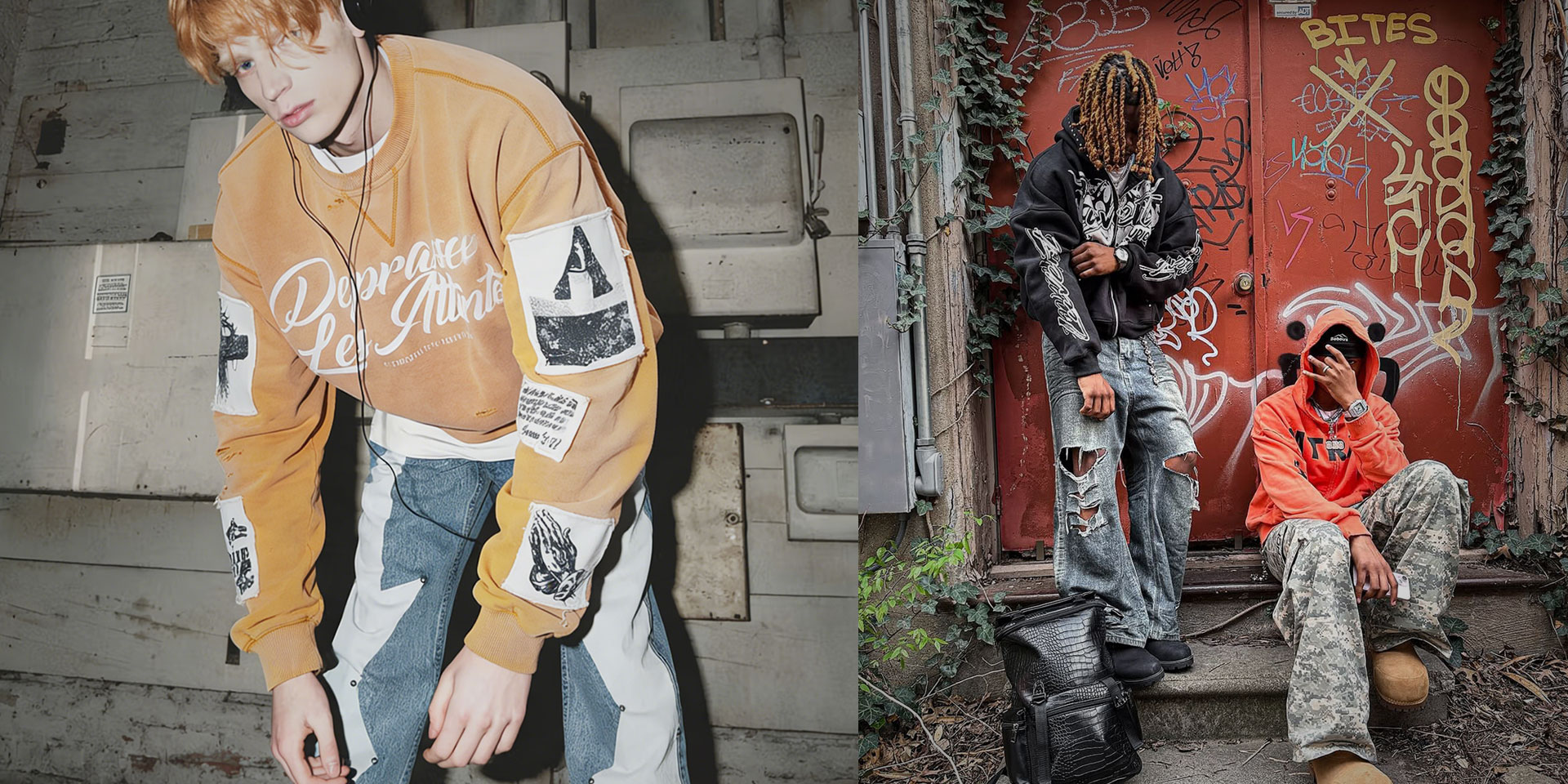
What is the smartest first style to test with a new streetwear jacket manufacturer?
When product development teams test a new cut-and-sew jacket factory, the most common mistake happens before a single stitch is sewn. Many established streetwear brands default to testing the easiest silhouette in their tech pack—usually a basic windbreaker or a simple coach jacket—just to see if the factory can follow instructions. But this approach is fundamentally flawed. Testing a simple product only proves a factory can make a simple product. It tells you absolutely nothing about how they will handle complex pattern engineering, heavy fabric weights, or sample-to-bulk alignment when the real production season begins.
A jacket is not just another layer; it is the structural anchor of a streetwear collection. The construction of outerwear requires a level of technical discipline that basic tees and hoodies do not. From managing sewing tolerance on thick materials to ensuring silhouette imbalance does not ruin an oversized fit, outerwear production is where weak factories hide their flaws and capable manufacturers prove their worth. The smartest move an independent brand with real traction can make is to select a test style that intentionally stresses the factory’s systems. You want a style that forces them to make difficult decisions about fabric sourcing, trim substitution, and finishing. If you test them with a basic piece, you are setting yourself up for a massive sample-to-bulk mismatch later on.
In modern streetwear manufacturing, the goal of a test run is not just to get a good sample. The goal is to stress-test the production systems of the facility to see if they can execute complex concepts repeatedly. The style you pick to test a new streetwear jacket manufacturer says more about your procurement strategy than it does about the factory. Choose the wrong style, and you will learn nothing. Choose the right one, and you will expose every production variable in a single run.
Why does the first style you test actually determine what you learn about a manufacturer?
The first test style determines what you learn because different silhouettes stress different parts of the manufacturing process. A complex jacket exposes a factory’s ability to manage pattern development, fabric hand-feel differences, and trim sourcing, while a simple style only tests basic sewing capability.
When established streetwear brands evaluate a new production partner, the evaluation must go beyond visual aesthetics. A jacket might look perfect on a hanger, but the real test is how the factory arrived at that result. Did they have to remake the pattern three times because they could not understand the oversized drape? Did they struggle with shrinkage control on the lining? Did they use the exact hardware specified in the tech pack, or did they quietly execute a trim substitution hoping you would not notice? These are the questions that a strategic test style answers.
If you send a basic coach jacket to a streetwear apparel manufacturer, you are only testing their ability to sew straight lines on nylon. You are not testing their ability to handle heavyweight materials, complex paneling, or custom hardware. When the time comes to produce a heavyweight varsity jacket with intricate embroidery and custom ribbing, you will be flying blind. The factory might have passed the coach jacket test with flying colors, but they could completely fail at managing the sewing tolerance required for a varsity jacket's leather sleeves and wool body.
Procurement teams must view the first test style as an audit of the factory’s internal systems. You are testing their tech pack review process. You are testing their fabric sourcing network. You are testing their ability to communicate when a design intent clashes with production reality. If a factory is not pushed to its limits during the sampling phase, those limits will inevitably be breached during bulk production. This is why testing a complex style is the only way to accurately gauge a manufacturer's true capabilities. It forces the factory to demonstrate their understanding of streetwear-specific fit and construction, rather than just their ability to assemble a garment.
Which jacket style exposes the most production variables in a single sample run?
A complex cut-and-sew bomber jacket or a multi-material varsity jacket exposes the most variables. These styles require precise pattern engineering for volume, strict shrinkage control across different fabrics, and advanced finishing techniques, making them the ultimate stress test for any streetwear factory.
When deciding which style to use as a test, independent brands with real traction should look for a garment that requires multiple disciplines to execute correctly. A varsity jacket, for example, is a masterclass in production complexity. It typically involves a heavyweight wool body, leather or faux-leather sleeves, custom-dyed ribbed cuffs, and intricate chenille or embroidery patches. Each of these elements introduces a distinct point of failure. If a factory can successfully align the fabric weight and hand feel of the wool with the drape of the leather sleeves, while ensuring the embroidery does not pucker the fabric, they have proven a high level of technical competence.
A heavyweight bomber jacket is equally revealing. Unlike a standard fit, an oversized or cropped bomber requires real pattern development. It is not just a matter of grading up a standard size; the armholes must be dropped, the body widened, and the hem cropped, all while maintaining a balanced silhouette. If the factory lacks pattern engineering expertise, the resulting jacket will suffer from silhouette imbalance—it might look fine from the front but bunch awkwardly in the back or restrict movement in the shoulders.
Furthermore, these complex styles force the manufacturer to manage different shrinkage rates. When you combine a heavy cotton canvas outer with a quilted polyester lining, the two materials will react differently to heat and finishing processes. A capable streetwear manufacturer will anticipate this and adjust the patterns accordingly. A weak factory will simply sew them together, resulting in a jacket that twists or warps after the final inspection. By testing a style with inherent material conflicts, product development teams can quickly identify whether a factory has the foresight and technical knowledge to prevent batch-level variation during bulk cutting and sewing.
What does a bomber jacket reveal that simpler outerwear styles cannot?
A bomber jacket reveals a factory’s capability in 3D pattern development, hardware sourcing, and handling structural tension. It exposes whether they understand how to engineer an oversized or cropped fit without causing silhouette imbalance or puckering at the seams.
Simpler outerwear styles, like a basic zip-up windbreaker, are essentially two-dimensional garments. They lie flat and do not require significant structural engineering. A proper streetwear bomber jacket, however, is a three-dimensional object. It relies on the tension between the gathered ribbed hem and the voluminous body to create its signature shape. This tension is where many general apparel factories fail when attempting streetwear production. They do not understand that the oversized fit must be engineered into the pattern, not just achieved by using more fabric.
When you test a bomber jacket, you are testing the factory's ability to execute complex construction details. Look closely at the sleeve seams. A classic streetwear bomber often features ruched or gathered sleeves. This requires the sewing operator to evenly distribute excess fabric along the seam line. If the factory lacks skilled operators or proper sewing tolerance guidelines, the gathering will be uneven, and the sleeves will look distorted. This level of detail cannot be tested with a flat-seam coach jacket.
Additionally, a bomber jacket tests a factory's hardware sourcing and application. The heavy-duty zippers required for a premium bomber must be installed perfectly straight, without causing the surrounding fabric to wave or buckle. If the factory uses an inferior zipper or fails to reinforce the zipper tape, the jacket will feel poorly constructed, regardless of the fabric quality. By analyzing a bomber jacket sample, procurement teams can determine if the factory has access to premium trims and the technical skill to apply them correctly, ensuring that the final product meets the standards of established streetwear brands.
Why is construction complexity more important than style familiarity when testing a new streetwear manufacturer?
Construction complexity is more important because it tests the factory’s problem-solving systems rather than just their muscle memory. Familiar styles hide weak quality control, while complex construction exposes how a factory manages sewing tolerances, tech pack review, and sample-to-bulk alignment.
It is tempting for brands to test a factory with their best-selling item—a style the brand knows inside and out. However, if that best-seller is a straightforward piece, it won't push the factory out of its comfort zone. A general apparel factory might produce thousands of basic jackets a month. Their operators have the muscle memory to sew them quickly and efficiently. But streetwear is rarely about basic construction. It is about pushing boundaries with heavyweight fabrics, unconventional fits, and aggressive wash treatments.
When you introduce construction complexity—such as mixed-media paneling, hidden pockets, or raw-edge detailing—you force the factory to slow down and actually read the tech pack. You are testing their engineering department, not just their sewing line. Can they interpret a complex tech pack review? Do they ask clarifying questions when a design detail seems structurally unsound, or do they just guess and hope for the best? A specialized streetwear manufacturer will flag potential issues before sampling begins. They will warn you if a specific fabric weight will cause the collar to collapse or if a proposed seam placement will weaken the garment.
Testing for complexity also reveals how a factory handles sewing tolerance. In a basic garment, a millimeter of deviation in a seam might go unnoticed. But in a complex jacket with multiple intersecting panels, that same millimeter can cause the entire garment to twist. By intentionally selecting a test style with tight tolerances and intricate construction, product development teams can quickly weed out factories that lack the precision required for premium streetwear production. You are not just buying a sample; you are evaluating the systems that will eventually produce your bulk order.
What should your tech pack include before sending a test jacket to a new manufacturer?
A test tech pack must include exact fabric weight requirements, detailed shrinkage control expectations, precise trim specifications, and clear sewing tolerance limits. It should leave no room for interpretation, forcing the factory to execute your specific vision rather than their default standard.
A tech pack is the only objective standard against which a sample can be judged. If the tech pack is vague, the factory will fill in the blanks with whatever is easiest or most convenient for them. When testing a new manufacturer, the tech pack must be exhaustively detailed. It should not just say "heavyweight cotton"; it should specify "450gsm 100% cotton canvas with a brushed finish." It should not just say "metal zipper"; it should specify the exact gauge, finish, and puller style.
For a complex jacket, the tech pack must also address the specific challenges of the silhouette. If it is an oversized fit, the pattern measurements must clearly define the drop shoulder and the widened body, ensuring the factory doesn't just grade up a standard block. It must include detailed instructions for finishing techniques. If the jacket requires a specific wash, the tech pack should outline the expected fabric hand-feel differences post-wash and set clear parameters for acceptable batch-level variation.
Furthermore, a rigorous tech pack review is a crucial part of the testing process. Send the detailed tech pack and wait for the factory's response. A competent streetwear clothing manufacturer will review the document and ask highly specific questions. They might suggest a different interlining to better support the collar, or they might point out that the specified wash will cause the zipper tape to shrink unevenly. This dialogue is exactly what you want. It proves that the factory is actively engaging with the product development process, rather than just acting as a passive assembly line. If a factory accepts a highly complex tech pack without a single question, it is often a red flag that they haven't truly analyzed the construction requirements.
How do you read a jacket sample to know if a manufacturer is actually built for streetwear production?
To read a jacket sample correctly, ignore the overall look and inspect the hidden details: the clean finish of internal seams, the stability of the collar, the alignment of heavy fabrics, and the absence of trim substitution. These details prove true streetwear manufacturing capability.
When the sample finally arrives, the first instinct is to put it on a fit model and judge the overall aesthetic. While fit is crucial, the true evaluation of the manufacturer happens when you turn the jacket inside out. The internal construction is where factories reveal their true standards. Are the seams clean and properly finished, or are there loose threads and uneven serging? In premium streetwear, the inside of the garment should be as meticulously crafted as the outside.
Examine the points of high tension and structural importance. Look at the collar and the cuffs. Do they hold their shape, or do they feel flimsy? If the jacket uses heavyweight fabrics, check the intersections where multiple seams meet. A factory built for streetwear will grade the seam allowances to reduce bulk, ensuring the intersection lies flat. A factory accustomed to lightweight apparel will simply sew through all the layers, creating a hard, uncomfortable lump that distorts the drape of the jacket.
This is also the moment to verify that the factory followed the tech pack exactly. Did they use the specified YKK zipper, or did they execute a quiet trim substitution with a lower-grade alternative? Did they achieve the requested fabric weight and hand feel, or did they use a lighter fabric to save costs? When evaluating a China-based custom streetwear clothing manufacturer, for example, the depth of their supply chain should allow them to source exactly what you need. If a factory like Groovecolor—a specialized streetwear clothing manufacturer focused on cut-and-sew jacket development—can consistently execute complex material sourcing and precise construction without unauthorized substitutions, it demonstrates the operational maturity required for a long-term partnership.
What are the most common sample-to-bulk failure points in streetwear jacket production?
The most common sample-to-bulk failures are batch-level wash variations, shrinkage discrepancies between shell and lining, and inconsistent sewing tolerances across sizes. These issues occur because factories optimize the sample by hand but fail to control the automated bulk production systems.
A perfect sample is only half the battle; the real war is fought during bulk production. The most devastating failures happen when a factory cannot translate the care put into a single sample into a standardized process for hundreds of units. One of the most frequent issues is batch-level variation in wash treatments. A factory might achieve the perfect vintage fade on the sample, but during bulk production, slight changes in water temperature or chemical concentration can result in jackets that look entirely different from one another.
Shrinkage control is another major failure point, particularly in complex jackets. If the outer shell and the inner lining have different shrinkage rates, and the factory does not pre-shrink the materials correctly before bulk cutting, the jacket will warp after its first wash. The lining might pull the outer shell inward, ruining the carefully engineered oversized fit and creating severe silhouette imbalance. This is why sample approval must include rigorous wash and wear testing before the pre-production sample is signed off.
Finally, inconsistent sewing tolerance across different sizes is a hallmark of poor sample-to-bulk alignment. The sample is usually made in a medium and sewn by the factory's most skilled sample maker. During bulk production, the work is distributed across the sewing line. If the factory lacks strict quality control and standardized operating procedures, the grading will be executed poorly. The large size might have the correct body width but disproportionately tight sleeves, or the pocket placement might not scale correctly with the garment size. Procurement teams must demand a pre-production sample in multiple sizes to verify that the factory’s bulk cutting and sewing systems are as reliable as their sample room.
The smartest first style to test with a new streetwear jacket manufacturer is the one that makes them work the hardest. By choosing a complex, multi-variable silhouette like a heavyweight bomber or a mixed-media varsity jacket, established streetwear brands can bypass the superficial aesthetics and directly evaluate the factory's core competencies. You are not just testing their ability to sew; you are testing their pattern engineering, their fabric sourcing integrity, and their systems for sample-to-bulk alignment. A simple test style might give you a false sense of security, but a complex test style will give you the truth. And in premium streetwear production, the truth is the only thing that protects your brand when the bulk order arrives.