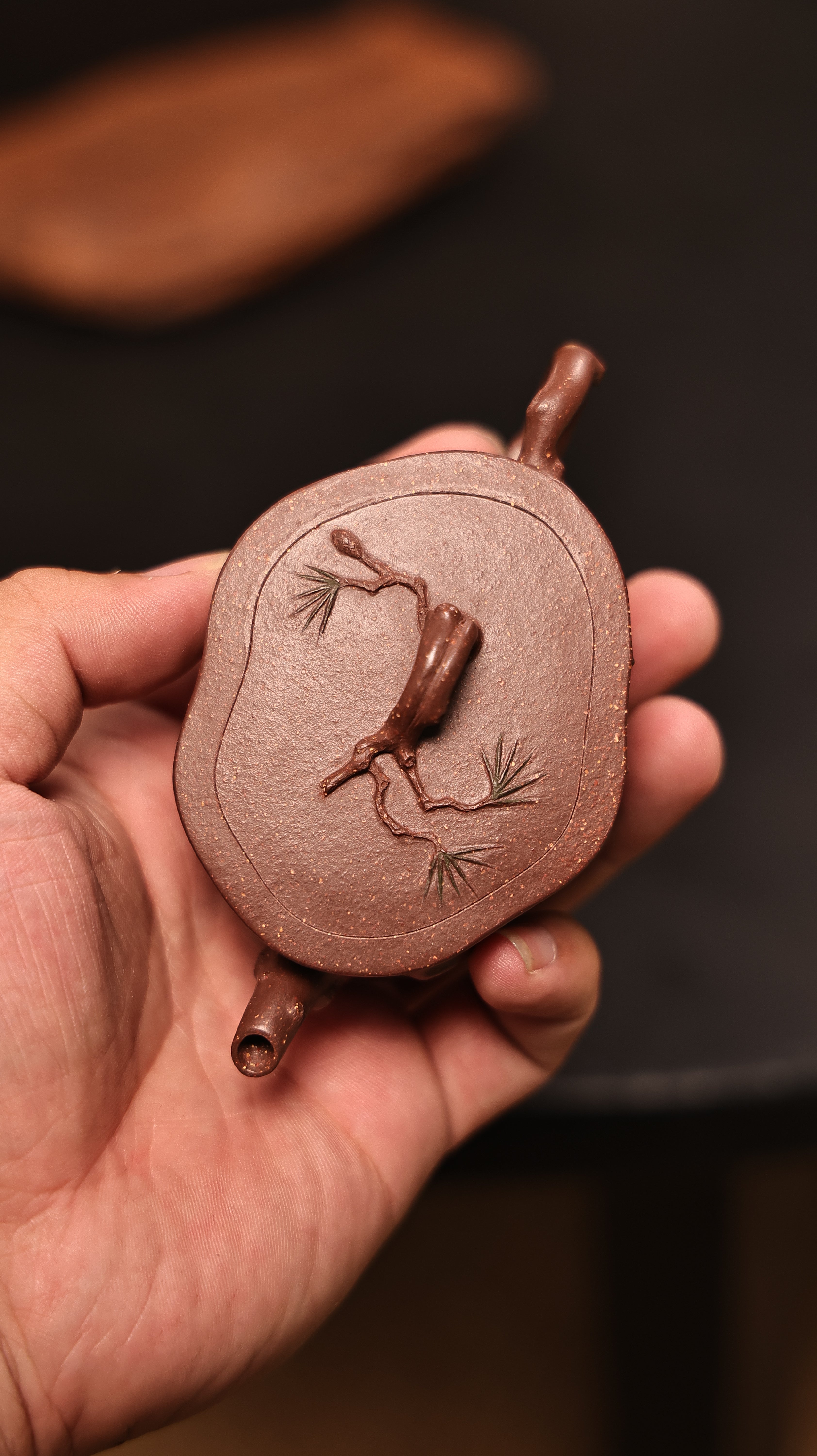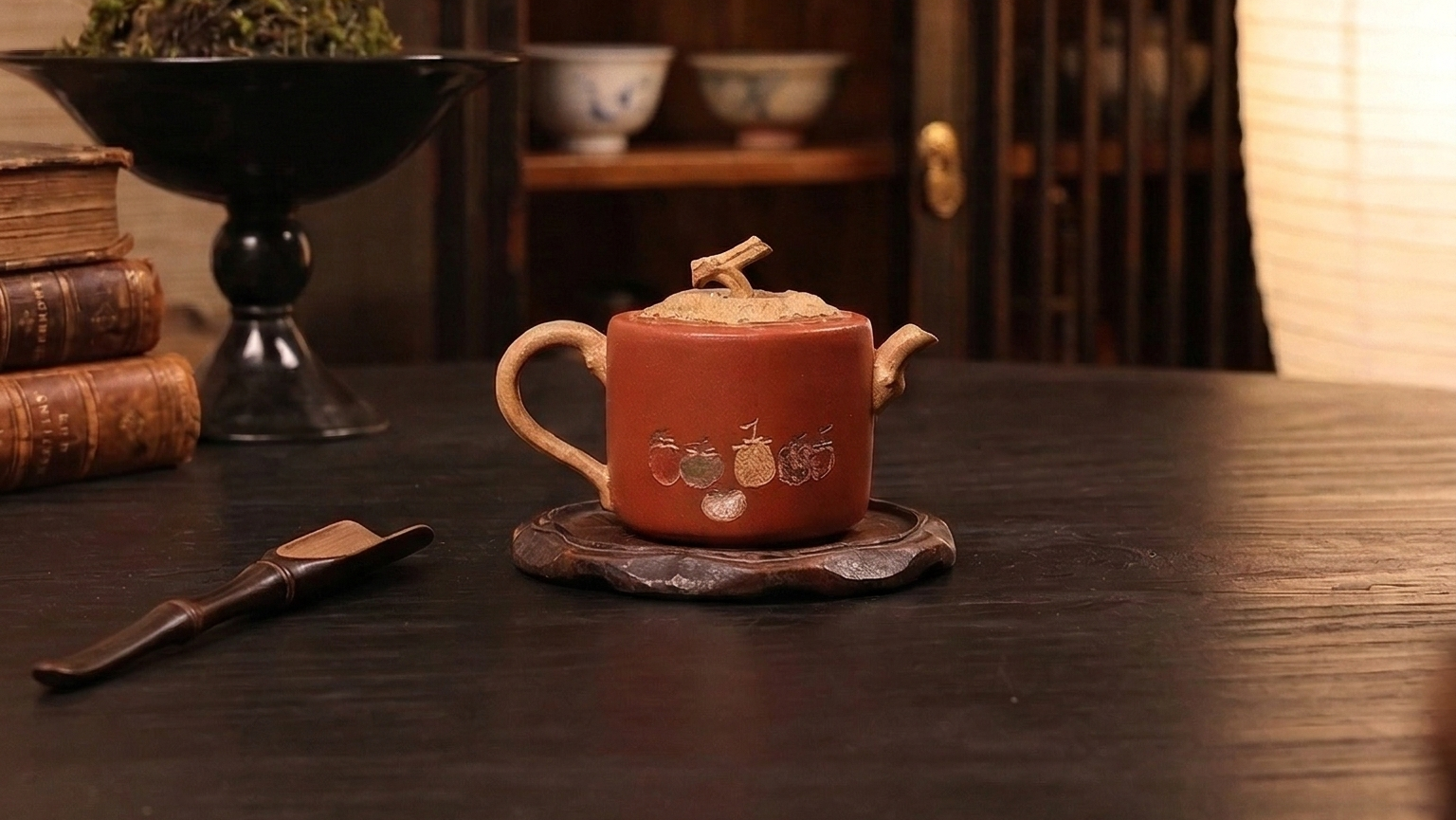
Everlasting background characterizes Jiangsu pottery via periods,
Representing singular properties derived through homegrown lavender particles, such flasks accumulate a layer during consumption, amplifying profile yielded from made potions.
Acknowledging Yixing Sediment: Exhaustive Insights into Zisha
Varied collectors value the special grain of Yixing violet clay, a cornerstone of traditional Chinese workmanship. Springing from the Yixing region of Jiangsu province, this exquisite clay holds an elaborate mineral structure, that bestows amazing qualities to the crafted containers. Forms within Zisha, including Bing Mud, Duan Ni Mud, and Jiang Xi Mud, each demonstrates specific tints, consistencies, and baking traits, shaping the absorption and the decisive flavor refinement of the elixir.
Oriental Pottery Cultures: Understanding Mastery
Chinese teapots embody surpassing mere pots for infusion; they symbolize centuries of inherited mastery. From the distinguished Yixing clay variations, respected for their absorbent nature which gives unmatched tastes to the drink, to the subtle porcelain from Jingdezhen, each piece tells a legend of commitment. The making process is an elaborate undertaking, often gifted through dynasties of craftsmen. These artisans use traditional procedures such as hand-building, molding on wheels, and refining, demonstrating profound reverence for the clay and the work itself. Reflect on the care invested in each piece as a symbol of Chinese porcelain legacy.
- Fine containers: a celebrated preference.
- Fine china teapots: distinguished by their delicate design.
- Shaping techniques: a demanding yet beneficial procedure.
Chinese Zisha Jar Handling: Protecting Your Esteemed Good
Adequate management of your special Yixing Zisha vessel is critical to extending its aesthetic. Crafted from exclusive purple sand earth, these fine teapots attain a rich patina after employment, decidedly boosting their allure. Refrain from cleansers; a tender rinse with tepid moisture is efficient. Steer clear of hot water for purifying the teapot, as it may break its fabric. Allow it to lose wetness away from direct radiance. Consider flavoring your teapot regularly using fine tea, especially rich varieties. Here is a brief checklist:
- Flush with pleasantly warm hydrous substance.
- Avoid cleaners.
- Enable it to become free of moisture.
- Familiarize with select tea.
Ancestry of Yixing Teapots: Commencement
The story of Yixing teapots starts simply during the Song dynasty, about the 16th epoch. Initially, these earthenwares were not the treasured artifacts they are valued presently. They were created by territorial potters using the unparalleled purple clay gathered solely in the Yixing vicinity. These early pieces were mostly utilitarian, aimed for commonplace operation and often unadorned in form. It was not until the following dynasty that they commenced to earn fame beyond mere practical articles.
Selecting the Fitting Native Kettle: A Introductory Introduction
Entering the domain of Yixing teapots can be daunting, but do not worry! For first-timers, the fundamental factor is understanding the earth. Real Yixing clay is prized for its absorbency, allowing the teapot to collect the tea's note over time, refining every infusing session. Consider the profile; traditional orbicular shapes prevail, yet distinct preferences count. Lastly, inspect the sheen—while some favor an uncooked appearance, others value a mild gloss. Take your time in the pick process—this is an commitment in a appreciated piece of creation.
Eastern Clay Vessels and Their Importance on Chinese Liquid Tradition
Zisha pitchers, emerging from Yixing, China, have profoundly influenced historic Chinese liquid culture. These Yixing clay teapots, prized for their particular shade, texture, and exceptional ability to impart a subtle savor to the beverage, represent more than mere holders; they are admired objects and symbols of renown. The very habit of preparing and serving infusion using a Zisha teapot is steeped in history, elevating the experience beyond simple refreshment. Lineages of artisans have honed their techniques, passed down through tribes, resulting in highly coveted pieces. For this reason, Zisha teapots are frequently treasured, playing a crucial part in cultivating Sino appreciation for aesthetics and the process of elixir ceremonies.
- Characteristic Clay Composition
- Adding Subtle Flavor
- Elegant Craftsmanship
Establishing Legitimate Special Eastern Jars
Obtaining a certified Yixing teapot can be a pleasurable experience, but the sector is often saturated with counterfeits. Dividing between a authentic antique and a current reproduction requires careful inspection. Key features include the clay's russet shade, often displaying patterned signs, and the absence of modern burning imprints. The profile should appear natural class, reflecting the traditional Yixing look. Finally, analyzing the creator's emblem is essential to verify legitimacy against official testimonies.
- Assess the clay's grain.
- Look for irregularities, indicative of crafted quality.
- Consult an authority for evaluation.
Buying Eastern Earthenware: A Elaborate Guide to Purple Clay Analysis
The sector of Native Zisha teapots presents a distinct possibility for educated admirers. Increasingly, the worth of these Purple Clay Teapot traditional artifacts is affected by multiple considerations, such as the standard of composition, the talent of the builder, the historical significance, and, naturally, the current trade. Newcomers should prioritize on researching the diverse categories of Zisha clay—such as Glacial, Quiet Jug, and Crimson Soil—and examining the details linked to each. Rigorous scrutiny of the object's profile, cast, and imprint is likewise fundamental to make knowledgeable judgments when investing.